
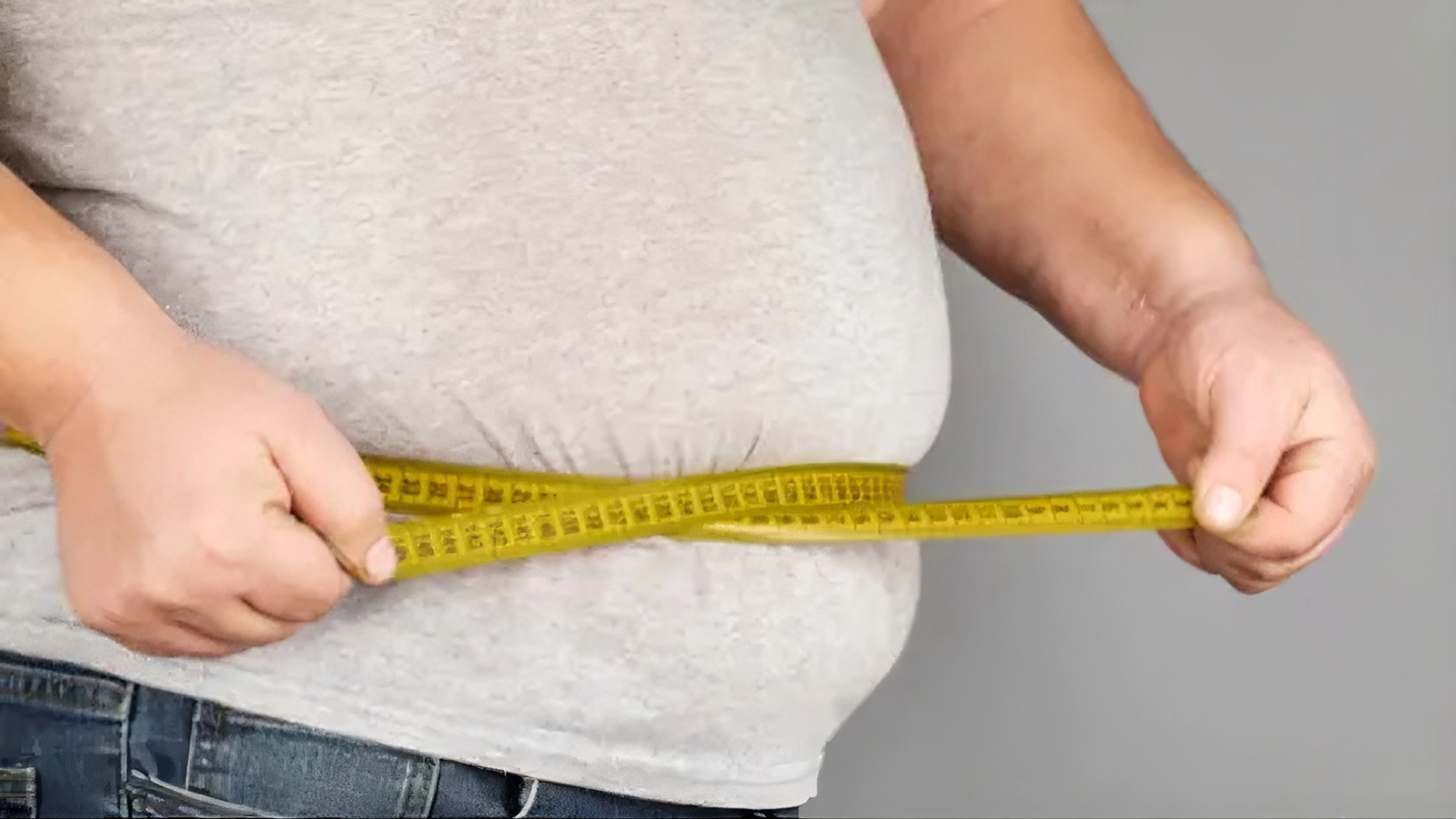
Morbid obesity is no longer classified medically as merely a problem related to external appearance or figure harmony, but rather it is a chronic and complex disease connected by a direct and documented connection to a group of the fiercest modern diseases, like type 2 diabetes, heart and arterial diseases, high blood pressure, and obstructive sleep apnea. Therefore, making a decision to visit an obesity treatment center represents a radical and real turning point to save your life and restore your physical and psychological health.
The good news is that the massive medical development made the options available and safer more than any time past. Upon your choosing to head to the obesity treatment center equipped with the latest technologies, you will find in front of you an integrated bouquet of medical solutions, surgical and non-surgical, which are done under the supervision of multi-disciplinary medical teams. This comprehensive guide will clarify to you everything you need to know before starting your therapeutic journey.
Am I a Candidate for Surgical Intervention for Weight Loss?
Surgery is not the first or the magical solution for everyone suffering from a slight increase in weight. There are strict global medical standards applied by any certified Obesity treatment Obesity treatment center before approving surgical intervention. According to the guidelines of the American Society for Metabolic and Bariatric Surgery (ASMBS),f the American Society for Metabolic and Bariatric Surgery (ASMBS)
- Body Mass Index (BMI): The index reaching 40 degrees and more, regardless of the presence of accompanying chronic diseases.
- Presence of accompanying diseases: The index reaching 35 degrees and more, with the presence of a dangerous disease related to obesity like diabetes, high blood pressure, or sleep apnea.
- Failure of previous attempts: Non-response to dietary diets and sports exercise programs for long periods under specialized medical supervision.
- Psychological readiness: Pledging commitment to change the lifestyle completely after surgery, and it is a basic condition for success that psychiatrists evaluate strictly.
Important note: Surgery is merely a strong assisting tool. Its effectiveness on the long term depends completely on your commitment to the medical team's instructions and changing your dietary habits for life.
The Most Prominent Medical Solutions Offered by the Obesity Treatment Center
Any advanced obesity treatment center provides a range of Surgical Specialties and Treatments services tailored to the health condition of each patient, where the doctor determines the most appropriate option after a comprehensive assessment.
1. Sleeve Gastrectomy Operation
This operation is considered the most common and demanded surgical procedure on the global level. Its idea depends on the surgical excision of about 70 to 80 percent of the original stomach size, to transform into a thin tube resembling a banana fruit.
How does the technology work?
Minimizing the stomach size forces the patient to eat very small food quantities so immediate satiety is achieved. More important than that medically, is that the excised part of the stomach is the responsible for secreting the "Ghrelin" hormone (the hunger hormone), which leads to a decrease in the desire to eat food significantly.
Who does it suit?
It is the ideal option for people who suffer from morbid obesity and do not suffer from severe acidic esophageal reflux, and for those who search for a fast surgical procedure that does not change the physiology of food absorption in the intestines. The period of stay in the hospital ranges usually between one day to two days only.
2. Gastric Bypass Operation
This procedure is considered the golden standard in obesity surgeries. This option gathers between minimizing the stomach size to reduce the food quantity, and bypassing the small intestines to reduce the area of absorbing calories and nutritional elements.
Why do doctors prefer it for certain cases?
This procedure makes miracles for type 2 diabetes patients, where studies proved that blood sugar levels return to their normal rates in a few days after the operation, and before even the patient begins losing the actual weight. Also, it is the optimal treatment for those who suffer from diaphragmatic hernia and severe esophageal reflux.
Quick comparison table: Sleeve vs Bypass
| Aspect of Comparison | Sleeve Gastrectomy | Gastric Bypass |
| Mechanism of work | Reducing food quantity and reducing hunger hormone | Reducing food quantity and reducing absorption |
| Effect on diabetes | Excellent (improves with weight descent) | Exceptional (improves immediately after surgery) |
| Esophageal reflux | May increase it in some patients | Treats it and eliminates it completely |
| Nutritional supplements | Required basically | Required strictly for life |
3. Programmed Gastric Balloon
If your excess weight does not amount to the surgery stage, then the obesity treatment center provides for you this non-surgical option. An unfilled silicone balloon is inserted through the mouth using a digestive system endoscope, then it is inflated with a sterile saline solution to occupy a large space inside the stomach. The balloon is left for a period ranging between 6 to 12 months. It is an excellent assisting tool to push the patient toward commitment to the dietary diet.
4. Modern Pharmacological Treatments for Obesity Injections
Accredited medical drugs like (Semaglutide) caused a real revolution in modern medicine. These medicines that are prescribed inside the obesity treatment center mimic the natural satiety hormones in the intestines, and send signals to the brain to reduce appetite and slow down stomach emptying. These medicines require medical supervision and periodic follow-up to avoid side effects and to guarantee achieving the results.
Features of Choosing the Best Obesity Treatment Center
Success in weight loss does not depend on the skill of the surgeon alone inside the operations room, but rather it depends on the entire medical system. What distinguishes any leading obesity treatment center is the presence of an integrated medical team working in complete harmony to protect you before and after surgery:
- General and endoscopic surgery doctor: The responsible for clinical evaluation and the precise execution of the operation.
- Therapeutic nutrition specialist: Sets for you the strict nutrition protocol before surgery, and trains you on how to eat food in your new way afterwards.
- Internal medicine and cardiology specialist: To guarantee the stability of your vital functions for the operation and anesthesia.
- Psychological support specialist: Evaluates the extent of your readiness, and supports you during the period of mood changes accompanying the fast weight descent.
What Do You Expect After Your Exit from the Obesity Treatment Center? (Recovery Stages)
The approved recovery plan in any professional obesity treatment center passes through precise stages that must be committed to literally to guarantee stomach healing and avoid leakage:
- Transparent fluids stage (first and second week): Depends entirely on water, strained broth, and sugar-free transparent juices. The goal here is resting the stomach completely.
- Mashed and soft food stage (third to sixth week): Well-mashed foods that do not require effort in digestion are introduced.
- Stage of transforming to solid food (second month and beyond): The gradual return to eating all foods but in very small quantities, with focusing on proteins first then vegetables, and chewing food very slowly.
The Role of MedCoordinate in Coordinating Your Therapeutic Journey
Taking the step toward changing your life requires choosing the best and most reliable obesity treatment center. We at MedCoordinate simplify this complex task for you, within an integrated system ofMedical Tourism in Saudi Arabia that aims to connect patients with the best internationally accredited medical centers.
Upon your communicating with us, we perform providing a medical consultation to evaluate your condition, and then we guide you toward the obesity treatment center most suitable for your condition and which possesses international accreditations (like JCI). We undertake coordinating all procedures, starting from booking the first appointment, arranging medical examinations, and up to the close follow-up after completing the surgical procedure to guarantee your commitment to the program and your achieving the ideal weight with health and wellness.
Communicate with our team today via e-mail or our official website to start your first steps toward a lighter, more active, and disease-free life.
Common Questions (FAQ)
Question: Are the operations that are done in the obesity treatment center dangerous?
Answer: Like any surgical intervention, there is a percentage of potential risks, but they have become very low and are almost rare when performing them inside the accredited obesity treatment center which applies the highest infection control standards and the use of smart surgical staplers. The safety rate in these operations today matches simple gallbladder excision operations.
Question: Is it possible that my weight increases again after years from the operation?
Answer: Yes, surgery performs modifying the internal anatomy to facilitate satiety, but the slow dilation of the stomach is possible if the patient overindulges in eating sugars and sweets with high calories with the passage of time. Your commitment to reviewing the obesity treatment center and the nutrition specialist periodically is the safety valve to prevent weight regain.
Question: When can I return to my work and practice my normal life?
Answer: That depends on the nature of your work. Light desk works require usually a convalescence period ranging between two weeks to three weeks. As for jobs that require strenuous physical effort or lifting heavy weights, your doctor in the obesity treatment center may advise you to wait for a period ranging between 4 to 6 weeks to avoid the occurrence of a hernia in the precise wounds.
Question: What is Dumping Syndrome and how do I avoid it?
Answer: It is a state of nausea, sweating, and heart palpitations occurring mostly after the bypass operation when eating food very rich in sugars or fats rapidly. The simple solution that the nutrition specialist in the obesity treatment center will tell you is avoiding these foods completely and separating the drinking of fluids from the times of eating solid meals.

 EN
EN  AR
AR