
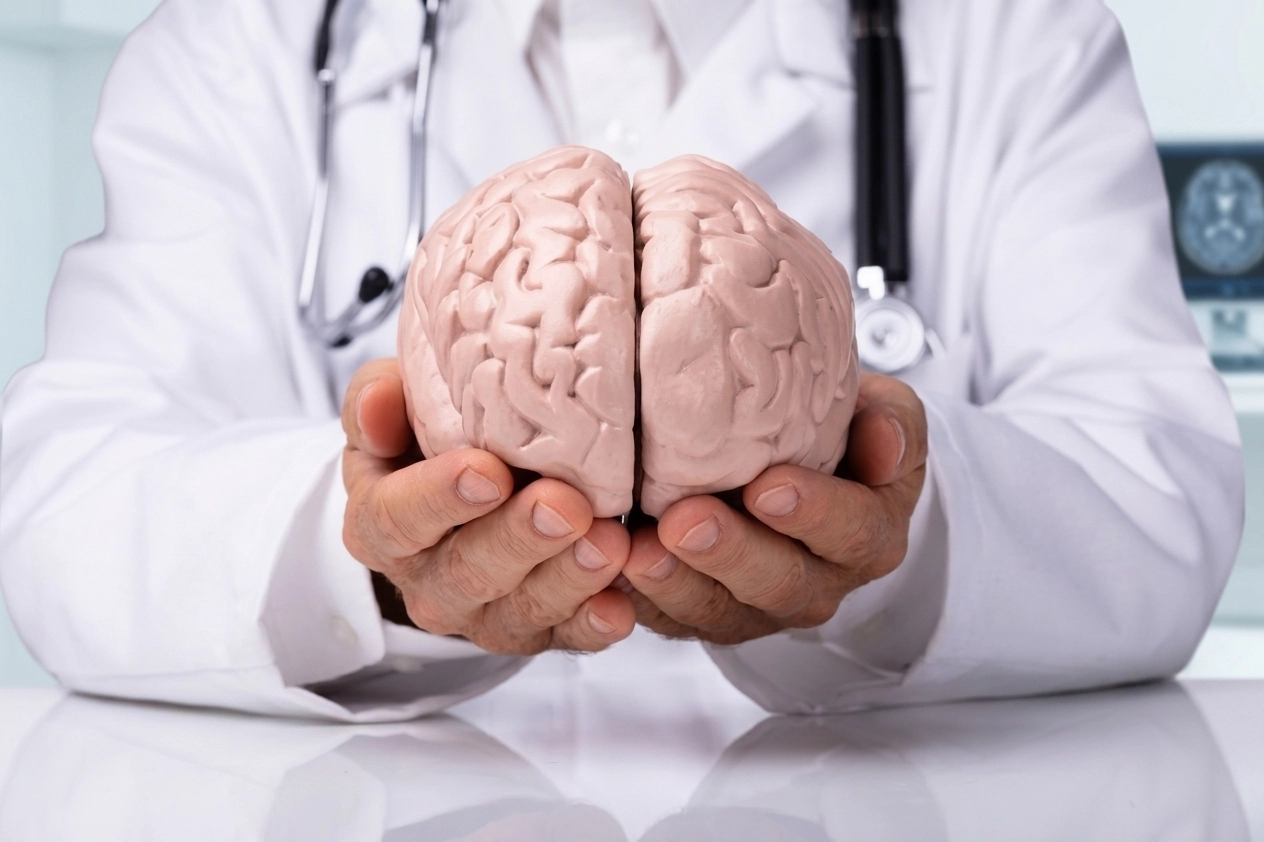
The nervous system is the complex network and the supreme command center of the human body. It is responsible for almost everything we do; from thoughts, feelings, and memory storage, to precise voluntary movements and involuntary vital functions like heartbeat and breathing rate. Any defect or injury in this delicate system requires highly specialized and precise medical intervention. Here, the role of Neurology emerges as one of the most important, advanced, and sensitive medical branches, witnessing daily innovations and new technologies that restore hope to millions of patients worldwide and save their lives.
What is Neurology and what is the difference between it and Neurosurgery?
To understand this field correctly, we must first clarify a very common confusion among many patients when searching for the right doctor. Neurology relies on two integrated medical paths, each with its own precise role:
- Neurologist: A specialist in diagnosing and treating diseases and disorders affecting the brain, spinal cord, peripheral nerves, and muscles using pharmacological protocols and rehabilitation techniques, without resorting to surgical intervention.
- Neurosurgeon: A surgeon specialized in performing delicate microsurgeries inside the skull or in the spine (such as removing brain tumors or treating severe disc herniation).
In many complex medical cases, the neurologist and the surgeon work together to provide an integrated treatment plan to ensure the best functional outcomes for the patient.
Major Diseases Treated by Neurology
Doctors in this field cover a vast range of diseases that strongly affect a patient's independence and quality of life, most notably:
- Stroke: A life-threatening medical emergency that occurs due to a lack of blood supply to a part of the brain or the occurrence of a hemorrhage. Rapid intervention within the "Golden Hours" saves the patient's life and reduces permanent damage to brain cells.
- Epilepsy and Seizure Disorders: A neurological disease characterized by recurrent seizures due to abnormal electrical activity in the brain. With accurate diagnosis, it can be fully controlled pharmacologically.
- Parkinson's Disease: A degenerative disorder that primarily affects the motor system, causing tremors, slowness of movement, and muscle stiffness.
- Multiple Sclerosis (MS): A chronic autoimmune disease in which the immune system attacks the protective sheath of nerves (myelin), disrupting proper communication between the brain and the rest of the body.
- Chronic Migraine: A complex neurological pain that differs radically from a regular headache. A patient needs a neurologist to prescribe preventive treatment plans that prevent seizures and reduce their intensity instead of over-relying on painkillers.
- Alzheimer's Disease and Dementia: Disorders that affect memory and advanced thinking, requiring specialized medical care to slow the progression of the disease.
In addition to physical treatment, morale plays a crucial role in recovery; therefore, neurological treatment plans are often integrated with specialized psychotherapy sessions to ensure a balanced improvement in the patient's psychological and physical quality of life.
Modern Diagnostic Techniques in Neurology
A successful and effective treatment plan cannot be established without an accurate diagnosis that identifies the neurological defect by the millimeter. Neurology doctors rely on the latest medical imaging technology and physiological examinations, which include:
- Magnetic Resonance Imaging (MRI): Provides high-resolution, 3D images of the brain and spinal cord to detect tumors, strokes, and MS with total clarity that no other device provides.
- Computed Tomography (CT Scan): The first and fastest choice in emergencies such as traffic accidents and strokes to rule out active brain bleeding.
- Electroencephalogram (EEG): An essential test to evaluate the electrical activity of the brain, primarily used to diagnose and classify types of epilepsy accurately.
- Electromyography (EMG) and Nerve Conduction Study (NCS): Necessary techniques to evaluate the health of muscles and the peripheral nerves that control them.
Despite the precision of neurological examinations, ensuring the body's general condition remains a fundamental pillar; therefore, it is always recommended to undergo a periodic Comprehensive medical examination for early detection of physical causes that may negatively affect the efficiency of the nervous system.
When is a Neurology Emergency Visit Mandatory?
There are a set of warning signs (Red Flags) that should never be ignored and require immediate travel to the nearest emergency room or neurology clinic because delay may cost the patient dearly:
- A sudden and very violent headache unlike any before (often described by the patient as a thunderclap in the head).
- Sudden weakness or paralysis on one side of the face, or in one of the arms or legs (facial drooping).
- Sudden and unexplained difficulty in speaking or understanding others' speech, or slurred speech.
- Sudden loss of balance or severe dizziness accompanied by double or blurred vision.
Advanced Care for Neurology Patients with Coordinate for Medical Tourism
Dealing with delicate nervous system diseases requires access to centers of medical excellence and trusted, rare expertise. We at Coordinate for Medical Tourism — as the first Saudi company fully specialized in medical and health tourism — take pride in providing an exceptional medical care network.
We coordinate patient access to the finest hospitals accredited by strict international organizations such as (JCI) and (GHA).The services we coordinate include:
- Neurosurgery and treatment.
- Advanced treatments for Parkinson’s Disease.
Because we hold the international accreditation certificate as a medical travel facilitator from GHA , we guarantee you a stress-free treatment journey from A to Z, starting from booking the consultation to providing translation and local transportation services.
The health of your nervous system is non-negotiable; you can read more about medical specialties and mental health or what we provide in the Medical Tourism in Saudi Arabia sector to begin your healing journey with the best experts.

 EN
EN  AR
AR