
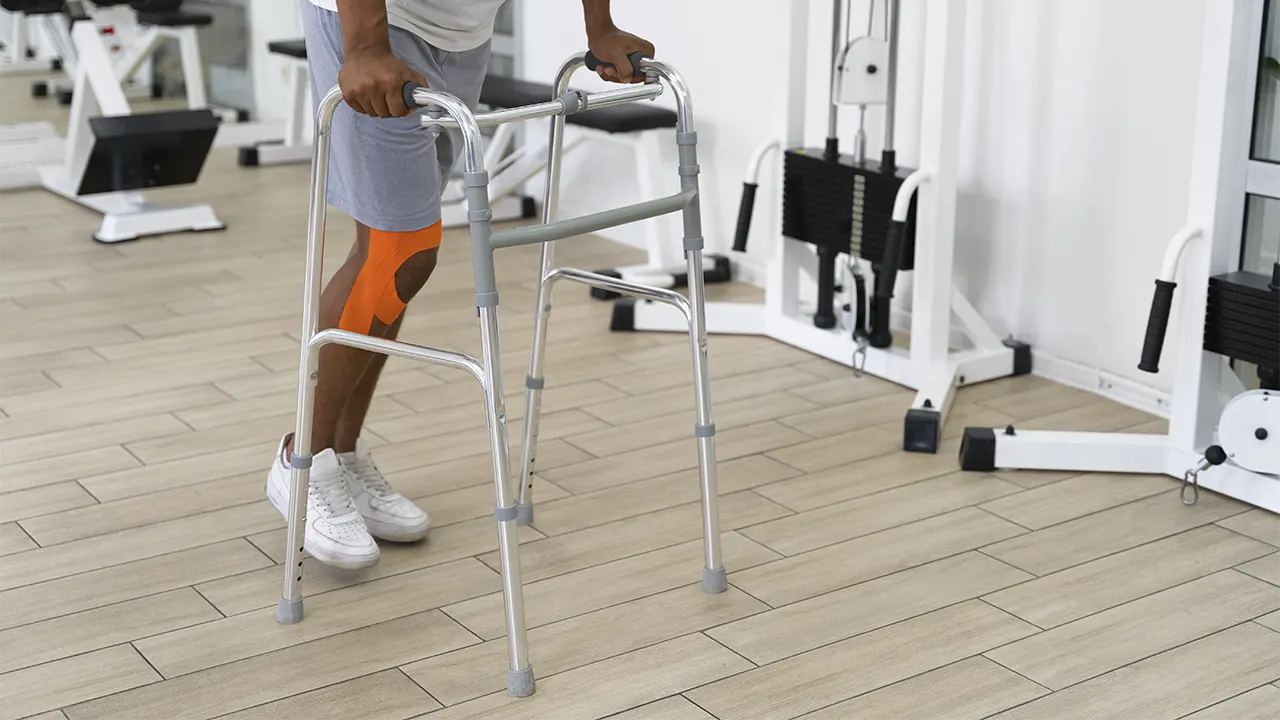
The concept of rehabilitation is considered one of the fundamental pillars of modern medicine. The role of treatment does not stop at performing surgical operations or providing medication; rather, it extends to enabling the individual to return to their normal life with the maximum degree of efficiency and independence. This therapeutic path aims to improve the quality of life for individuals suffering from injuries or chronic diseases that have affected their physical or mental capabilities, making the rehabilitation process a bridge that links the stage of illness with the stage of full recovery and social integration.
What is the Concept of Rehabilitation in Modern Medicine?
The rehabilitation process is a set of Surgical Specialties and Treatments and psychological procedures designed specifically to help patients regain skills they lost or that were affected as a result of exposure to a specific injury or illness. Rehabilitation programs are directly linked to Surgical Specialties and Treatments, such as orthopedic and obesity surgeries. A multidisciplinary medical team (MDT)—including specialized physicians, physical therapists, and psychologists—oversees the rehabilitation path to ensure all aspects of the patient's functional deficit are covered systematically and scientifically
Available Types of Rehabilitation Programs
Programs dedicated to restoring vital functions vary based on the type of injury and the patient's needs, most notably:
- Physical Recovery: Focuses on restoring muscle strength, balance, and the ability to move after fractures or major surgical operations . Sports injuries are among the cases most in need of intensive rehabilitation programs.
- Neurological Recovery: Dedicated to patients who have suffered strokes or spinal cord injuries, aiming to improve communication between the nervous system and muscles.
- Improving communication between the nervous system and muscles.
- Cardiac and Pulmonary Rehabilitation: Helps patients after heart attacks or chest surgeries improve respiratory and circulatory efficiency through studied exercises within a customized plan.
- Vocational Rehabilitation: Aims to train the individual on skills that enable them to return to the labor market and practice their profession effectively despite some physical limitations resulting from the injury.
The Role of Technology in Developing Rehabilitation Programs
Recent years have witnessed a massive technical boom that led to a radical change in how rehabilitation services are provided to patients. Robotic systems, virtual reality devices, and functional electrical stimulation techniques have entered the core of treatment plans. These tools not only contribute to accelerating the pace of healing but also provide precise data for doctors to monitor the patient's progress and adjust the rehabilitation protocol immediately to serve the patient's ultimate interest.
The Importance of Timing in Starting the Rehabilitation Journey
Experts always emphasize that an early start in a rehabilitation program is a decisive factor in achieving the best possible results. The closer the therapeutic intervention starts to the date of injury or surgery, the greater the chances of tissue and nervous system response to stimulation, which reduces the likelihood of long-term complications or permanent disabilities.س
Goals and Objectives of Comprehensive Rehabilitation Programs
The core objectives of the rehabilitation process go beyond mere physical improvement; it seeks to achieve the patient's independence in practicing basic daily activities such as walking, eating, and personal care. These programs also aim to reduce chronic pain and prevent the deterioration of other vital functions.
The Psychological and Social Aspect of the Rehabilitation Journey
Successful rehabilitation is that which integrates psychological support as an inherent part of the treatment plan. Specialists help the patient adapt to the changes that have occurred in their body and how to deal with feelings of anxiety or frustration. The role also extends to educating family members on how to provide the correct support for the patient at home.
Criteria for Choosing Specialized Rehabilitation Centers
When searching for a treatment destination, one must scrutinize the criteria that ensure the quality of the service provided, including:
- An integrated multidisciplinary medical team working with high coordination.
- Availability of the latest equipment and assistive medical technologies.
- Providing individual and customized treatment plans for each case.
- The center has a reputation for achieving tangible results and high success rates in similar cases. Choosing the right center is half the battle in ensuring a successful rehabilitation process and guaranteeing access to care that meets international health protocols.
The Role of the Patient and Family in the Success of Rehabilitation
The patient is considered the first and most important partner in the success of their treatment plan; their commitment to the prescribed exercises and adherence to the medical team's instructions significantly accelerate the pace of recovery. Family encouragement also plays a vital role in raising the patient's morale, especially during periods when they may feel a slow progress. The solidarity between the patient, the family, and the medical staff forms the "triangle of success" that ensures reaching the maximum possible levels of recovery through an integrated rehabilitation program.
The Future of Rehabilitation Services and Their Continuous Development
Modern medicine is moving toward making rehabilitation an easier and more personalized experience, as telerehabilitation programs are now being developed that allow patients to follow their exercises from home with precise medical supervision via smart applications. This development does not reduce the quality of service; rather, it makes it available to a larger segment of individuals who may find it difficult to commute daily to medical centers, promising a future where everyone enjoys equal opportunities to restore their health and quality of life.
- Medical Tourism in Saudi Arabia is also one of the most prominent promising sectors within Vision 2030, as the Kingdom seeks to become a leading global destination in providing advanced medical services. At the forefront of specialized companies in this field is Coordinate For Medical TourismCoordinate For Medical Tourism, the first Saudi company specialized 100% in medical and healthcare tourism. The company has obtained the Global Healthcare Accreditation (GHA) as a Medical Travel Facilitator, a prestigious international accreditation reflecting its commitment to the highest standards of quality, safety, and comprehensive care for patients. The company provides integrated coordination services that help local and international patients reach the best medical centers and surgical specialties in the Kingdom with confidence and ease.
FAQs about Rehabilitation
How long does the rehabilitation process take?
The duration varies significantly based on the type of injury, the patient's general health condition, and their response to treatment. Some simple cases may take several weeks, while complex cases such as spinal cord injuries may require several months of continuous follow-up to ensure the best results.
Can rehabilitation sessions be conducted at home?
Yes, some exercises and training can be performed at home based on the medical team's instructions, but it is always preferred to start in a specialized Rehabilitation Center to ensure the use of the correct technical devices and avoid any movements that may lead to complications. Currently, many centers provide remote follow-up programs to ensure the continuity of the treatment plan.
What is the difference between physical therapy and rehabilitation?
Physical therapy. is a part or a specialty within the larger system included in rehabilitation. While physical therapy focuses mainly on muscle strength and movement, comprehensive programs expand to include psychological, vocational, speech, and cognitive skills to provide integrated care for the patient in all aspects of their life.
When should a rehabilitation program start after surgery?
It is recommended to start as soon as possible once the patient's medical condition has stabilized and they are allowed to move by the specialized surgeon. Early intervention directly contributes to preventing joint stiffness, maintains muscle mass, and stimulates neural pathways, significantly reducing the overall recovery period.
Do rehabilitation programs guarantee a 100% return to normal life?
The primary goal is to restore as much function and independence as possible. In many cases, patients reach a full recovery and return to practicing their lives as they were; in other cases, the programs help the patient adapt to their new abilities and use assistive tools to live with dignity and independence without the need for total reliance on others.

 EN
EN  AR
AR